
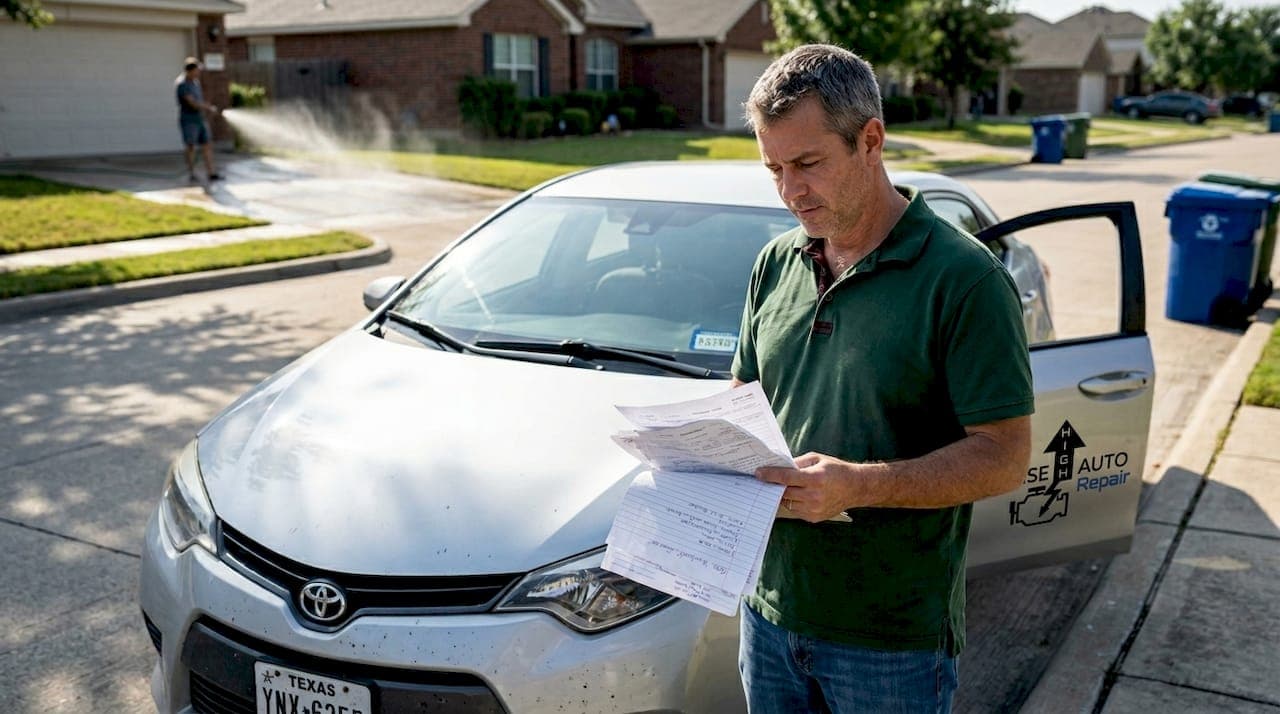
TL;DR:
- Texas eliminated mandatory safety inspections for non-commercial vehicles in 2025, shifting safety responsibility to owners.
- Emissions testing is still required in 17 counties for certain vehicles, with fees paid during registration.
- Mobile mechanics offer convenient maintenance and diagnostics, supporting vehicle safety and compliance.
Texas inspection rules changed significantly in 2025, and many car owners are still unsure what applies to them. Safety inspections were eliminated for most non-commercial vehicles, but emissions testing still applies in several counties. Knowing exactly what you need, and what you can skip, saves time and prevents registration problems. This guide breaks down the current rules, what mechanics check, how mobile and traditional options compare, and practical steps to keep your vehicle road-ready and compliant in 2026.
Table of Contents
- Understand the new 2026 Texas inspection rules
- Checklist: What mobile mechanics and inspectors look for
- Mobile mechanics vs. traditional inspection stations: pros and cons
- Smart tips to pass and maintain vehicle compliance in 2026
- The uncomfortable truth about inspections in Texas
- Get peace of mind with trusted mobile mechanics
- Frequently asked questions
Key Takeaways
| Point | Details |
|---|---|
| Know current rules | Most Texans no longer need annual safety inspections, but some still require emissions tests. |
| Self-check before booking | Checking brakes, tires, and lights yourself prevents surprises and failures during inspections. |
| Mobile mechanics offer convenience | Certified mobile services can perform many inspections at your home or office in qualifying locations. |
| Stay proactive | Routine maintenance and records keep your vehicle safe, legal, and ready for anything. |
Understand the new 2026 Texas inspection rules
The rules around vehicle inspections in Texas shifted considerably at the start of 2025. Understanding what changed, and what stayed the same, is the first step to staying compliant.
As of January 1, 2025, Texas eliminated mandatory annual safety inspections for non-commercial vehicles statewide. This means most passenger car owners no longer need to visit a certified inspection station each year for a safety check. However, this does not mean all inspections are gone.
Emissions testing remains required annually for gasoline-powered non-commercial vehicles aged 2 to 24 years in 17 specific counties. These counties are generally in the Dallas-Fort Worth, Houston, Austin, and San Antonio metro areas, where air quality standards are more strictly regulated. If you live or register your vehicle in one of these counties, emissions compliance is still mandatory.
Here is a summary of who still has testing requirements:
- Non-commercial vehicles in non-emissions counties: No inspection required
- Non-commercial vehicles in the 17 emissions counties: Annual emissions test required
- Commercial vehicles: Safety inspections still required statewide
- Vehicles with special classifications: May have additional requirements depending on type and use
Instead of paying an inspection fee, vehicle owners now pay a $7.50 Inspection Program Replacement Fee at the time of registration. This fee applies regardless of whether an emissions test is needed.
The most important shift is this: the state no longer verifies that your vehicle is mechanically safe before you drive it. That responsibility now falls entirely on you as the owner. Brakes, tires, lights, and other safety systems are your concern to maintain. There is no annual checkpoint to catch problems you may have missed.
This change has practical consequences. Vehicles that would have previously failed a safety inspection can now legally operate on Texas roads. Staying proactive about maintenance is no longer just good practice. It is the only safeguard available.
Checklist: What mobile mechanics and inspectors look for
Knowing the rules helps, but what do inspectors actually look for? Here is a breakdown you can use for DIY checks or before hiring a mobile mechanic.
For counties where emissions testing still applies, and for commercial vehicle inspections, certified stations check brakes, tires, lights, and essential safety systems during the inspection process. Understanding this list helps you catch problems before they become failures.
Here are the key items reviewed during a certified inspection, in order of priority:
- Brakes: Pad thickness, rotor condition, brake fluid level, and pedal response
- Tires: Tread depth (minimum 2/32 inch), sidewall condition, and proper inflation
- Lights: Headlights, taillights, brake lights, turn signals, and hazard lights
- Horn: Functional and audible
- Mirrors: All required mirrors present and properly adjusted
- Seatbelts: Latching, retraction, and condition of all belts
- Windshield wipers: Blade condition and washer fluid function
- Steering: Responsiveness and absence of excessive play
- Exhaust system: No leaks, proper routing, and emissions output within limits
- Suspension: No visible damage, unusual noise, or instability
You can check most of these items yourself before scheduling any service. Walk around your vehicle and test each light. Press the brake pedal and note any sponginess. Look at your tires for uneven wear patterns, which often signal alignment or suspension issues.
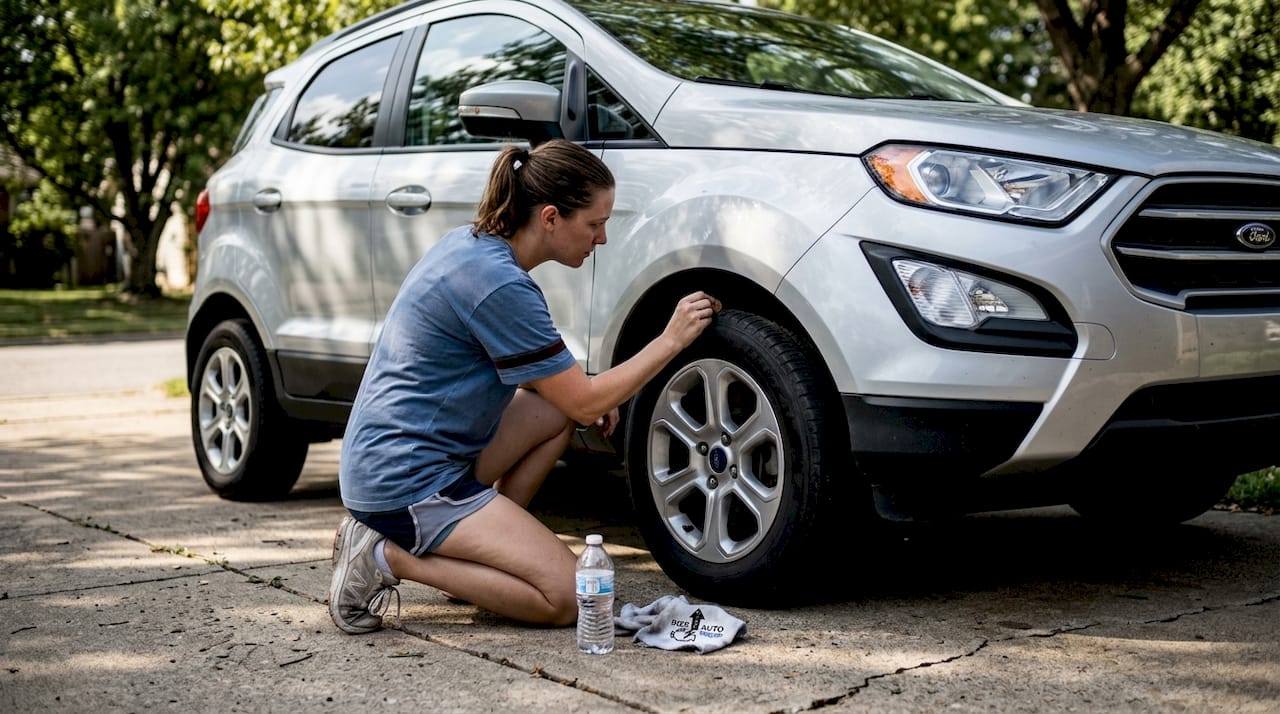
Pro Tip: Use your smartphone to record a short walk-around video of your vehicle monthly. This creates a visual record of your vehicle's condition and helps you spot gradual changes in tire wear or body damage that are easy to miss day to day.
For a more thorough pre-inspection review, mobile inspection services can come to your location and identify issues before you visit a certified station. This reduces the chance of a failed test and the cost of repeat visits.
Mobile mechanics vs. traditional inspection stations: pros and cons
Once you know what needs checking, you will have to choose the best way to get it done. Here is how mobile and traditional options compare.
Some emissions inspections and commercial safety checks can be performed by certified mobile stations, depending on their certification and your county. This gives car owners more flexibility than many realize.
| Feature | Mobile mechanic | Traditional station |
|---|---|---|
| Convenience | Comes to your location | You drive to the shop |
| Scheduling | Flexible, often same day | Fixed hours, may have wait times |
| Cost | Comparable or slightly higher | Standard flat fee |
| Scope of service | Diagnostics, maintenance, some inspections | Full certified inspections |
| Major repairs | Limited on-site capability | Full shop equipment available |
| Emissions testing | Available where certified | Available at all certified stations |
Mobile mechanics are a strong fit when your vehicle has a minor issue that needs diagnosis or repair before an inspection. They can also handle routine maintenance like oil changes, battery replacements, and brake pad checks at your home or workplace. This is especially useful when your schedule does not allow for a shop visit.
Traditional stations remain necessary for certain commercial inspections and for counties with specific equipment requirements. If your vehicle needs a lift for undercarriage work or specialized diagnostic equipment, a fixed shop is the right choice.
"Choosing between mobile and traditional inspection depends on your vehicle type, county, and the specific service needed. For pre-inspection maintenance and diagnostics, mobile mechanics offer a practical and efficient solution."
The key limitation of mobile mechanics is not quality. It is equipment. Major engine work, transmission repairs, and certain emissions diagnostics require shop-level tools. For everything else, a qualified mobile mechanic can find mobile mechanics near you and handle the job at your convenience.
Smart tips to pass and maintain vehicle compliance in 2026
Now that you have chosen an inspection route, use the following expert-backed tips to keep your car compliant, safe, and road-ready all year.
With safety inspections eliminated, critics argue car owners now bear full responsibility for road safety, making maintenance more crucial than ever. These tips help you stay ahead of problems rather than reacting to them.
- Set calendar reminders for oil changes, tire rotations, and filter replacements based on your vehicle's service intervals
- Check tire pressure monthly. Underinflated tires wear faster, reduce fuel efficiency, and can affect emissions readings
- Monitor your dashboard warning lights. A check engine light can trigger an emissions failure even if the vehicle runs fine
- Keep service records. Document every repair and maintenance visit. This protects you if a registration dispute or accident investigation occurs
- Test your lights seasonally. Bulbs fail gradually and you may not notice until a mechanic or officer points it out
- Inspect wiper blades before rainy season. Worn blades are a safety issue and a quick, inexpensive fix
Pro Tip: If your check engine light is on, do not schedule an emissions test yet. Most OBD-II systems require a complete drive cycle after a reset before the vehicle will pass. A mobile mechanic can run a diagnostic scan and advise you on the fastest path to readiness.
For affordable maintenance options that fit your schedule, mobile mechanics can handle most routine service items at your location. Staying consistent with maintenance is the most reliable way to avoid inspection failures and unexpected repair costs.
The uncomfortable truth about inspections in Texas
The removal of mandatory safety inspections was framed as a convenience measure. And for many drivers, it is. No more scheduling an annual appointment, no more waiting at a station, no more paying an inspection fee. But the trade-off is significant.
HB3297 supporters cite convenience and cost savings, while critics worry about increased road risk as responsibility shifts to individual owners. Both sides have a point. The law removed a system that, however imperfect, caught real safety problems every year.
What most car owners do not consider is that the inspection was never just about passing. It was a scheduled prompt to look at your vehicle with fresh eyes. Without that prompt, deferred maintenance becomes easier to justify. A brake pad that would have failed inspection gets ignored for another six months.
The practical reality is this: your vehicle's safety is now entirely self-managed. Mobile mechanics can support that process by providing convenient, on-demand service. But no mechanic, mobile or otherwise, can replace the discipline of regular attention to your vehicle. Treating routine checks as a personal commitment, not a legal requirement, is the only approach that actually protects you and others on the road.
Get peace of mind with trusted mobile mechanics
Texas car owners now carry more responsibility for vehicle safety than ever before. Having a reliable mechanic you can call without rearranging your schedule makes that responsibility easier to manage.
Rise High Mobile provides inspection and repair services that come directly to your location across Texas. Whether you need a pre-emissions diagnostic, routine maintenance, or a full system check, our certified mobile mechanic team handles it where you are. Flexible scheduling, transparent pricing, and no shop visit required. Book a service visit today and keep your vehicle compliant, safe, and ready for the road.
Frequently asked questions
Do I need a safety inspection for my car in Texas in 2026?
No. Safety inspections were eliminated for non-commercial vehicles starting January 1, 2025. Most passenger car owners are no longer required to complete an annual safety inspection.
Who still needs emissions testing in Texas?
Gasoline-powered vehicles aged 2 to 24 years registered in 17 specific Texas counties must complete annual emissions testing. Check your county to confirm whether this applies to you.
Can a mobile mechanic do official inspections in Texas?
Certified mobile stations can perform some emissions or commercial vehicle inspections where permitted by law. Availability depends on the mechanic's certification and your county's requirements.
What's the best way to avoid common inspection failures?
Regularly check brakes, lights, tires, and your emissions system. A pre-test review by a mechanic can identify and resolve issues before you visit a certified station.
Is there still any fee for inspections in Texas?
Yes. Vehicle owners now pay a $7.50 replacement fee at the time of registration instead of a traditional inspection fee. This applies to all non-commercial vehicle registrations statewide.